
Real Estate Drones
Real Estate Drone Photography Pricing: What to Charge in 2026
September 22, 2026
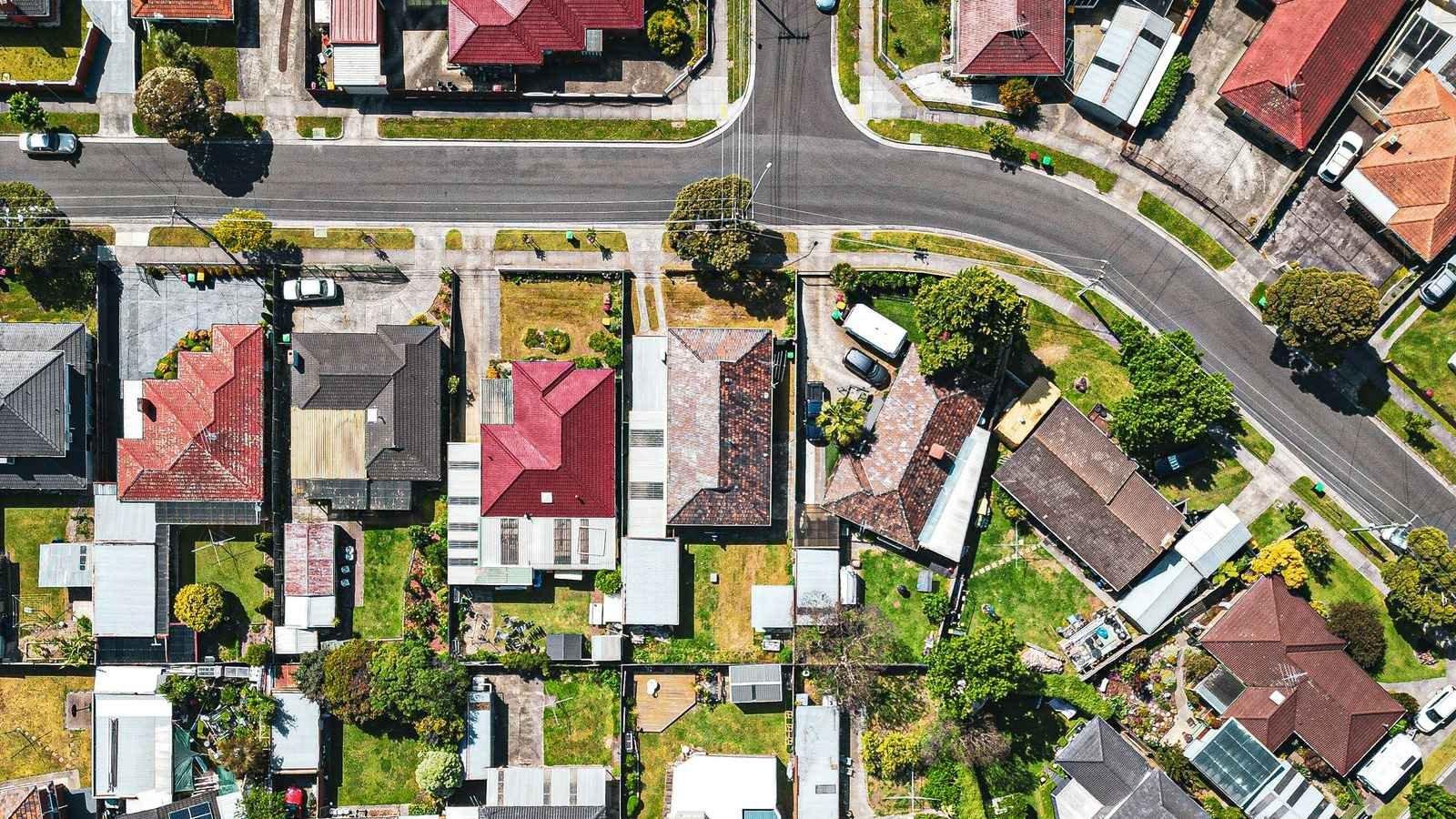
Real estate is the gateway drug of commercial drone work. The jobs are everywhere, the flying is easy, and agents always need another listing shot. It is also the niche where new pilots most reliably destroy their own market by charging $75 for work worth three times that. So let us talk about real numbers.
Quick answer: in most US markets in 2026, real estate drone photography runs $150 to $300 for a standard photo package, $250 to $500 for photos plus a short video, and $400 to $750 or more for luxury listings with cinematic video. Price by the package, not the hour, and build your rate card around what the listing is worth to the agent, not how long the flight takes.
What the market actually pays
Rates cluster into three tiers, and the tier has more to do with the property than with you:
- Standard listings, $150 to $300. A typical suburban home. The package is 15 to 25 edited aerial stills: front elevation, rear, a couple of obliques showing the lot and roofline, a top-down lot shot, and a neighborhood context shot. We walk through the full set in our real estate drone photography shot list. On site 30 to 60 minutes, editing another hour.
- Photo plus video, $250 to $500. The same stills plus a 60 to 90 second edited video with music. This is the sweet spot in most markets and the package to lead with.
- Luxury and land, $400 to $750+. Large lots, acreage, horse properties, view homes. These need more flight time, more angles, often a twilight shoot, and the agents marketing them have commission checks that make your invoice a rounding error. Do not price a 12 acre estate like a tract home.
Where you sit in each range depends on your market and your portfolio. Los Angeles and Scottsdale pay more than Bakersfield and Tulsa. But even in cheap markets, the floor for professional work is around $150. Below that you are not running a business, you are subsidizing an agent’s marketing budget.
Why you price the package, not the hour
New pilots love hourly pricing because it feels fair. It is a trap. A 45 minute flight at “$100 an hour” is a $75 job, and now the agent thinks your work costs $75. Meanwhile the same flight priced as “Listing Package, $275” is a professional service.
Agents do not buy hours. They buy a listing that looks better than the competing listing across the street. A drone photo set on a $900,000 listing helps sell a commission worth $20,000 to the agent’s side. Your $275 is not a cost, it is the cheapest marketing line item they have. Price accordingly, and remember the other half of the trick: as you get faster, package pricing means your effective rate climbs. Hourly pricing punishes you for getting good.
Building a rate card that upsells itself
Three tiers works. Not five, not one. Three:
- Essentials: 15 edited stills, 48 hour turnaround. This exists to make the middle tier look reasonable.
- Marketing Package: 25 stills, 60 to 90 second video, vertical crops for Instagram and TikTok, 24 hour turnaround. This is the one you want everyone to buy, so price it closest to the bottom tier.
- Luxury: everything above plus a twilight shoot, longer cinematic cut, and a neighborhood flyover. Price it high. Some agents only ever buy the top shelf.
Two add-ons are worth printing on the card because they are pure margin: twilight shoots ($75 to $150 extra, one extra site visit at dusk) and rush turnaround ($50 to $100 to jump the queue). Agents on a deadline will pay for speed without blinking.
The pricing mistakes that keep pilots broke
Charging for the flight instead of the deliverable. Nobody cares how long the drone was up. They care about the 25 photos. Sell the photos.
Competing with the $80 guy. There is always a $80 guy. He has no insurance, no Part 107, and he will be gone in six months when his drone meets a palm tree or an agent’s client complains. Agents who hire on price alone were never going to be your clients. Let him have them.
Free “portfolio” shoots for established agents. A new agent with no listings might be worth a favor. A top producer asking for a free shoot is asking you to fund their marketing. Offer a discounted first shoot if you must, but put a real number on the invoice so the value is visible.
Never raising rates. If every client says yes instantly, your prices are too low. You want a little friction. Losing the occasional price shopper is what healthy pricing feels like.
The part that actually sets your income
Your rate card matters less than your repeat rate. An agent who lists 30 homes a year and uses you for all of them is worth $7,500 a year at standard package pricing, and they take zero marketing effort after the first shoot. Ten of those agents is a full time income.
That is why the pilots earning real money in real estate obsess over the boring stuff: answering texts fast, delivering in 24 hours like clockwork, remembering that this agent wants the shot from over the pool and that one hates wide angle distortion. The drone work is the easy part. The business is the product.
And the entry ticket to all of it is the Part 107 certificate, because shooting a paid listing without one is illegal and agents are increasingly asking to see the card. If that is the step you are on, start there. It is a couple of weeks of study, and it is the cheapest line item in this entire business plan.
Common questions
- How much should I charge for drone photos of a house?
- For a standard listing, $150 to $300 for 15 to 25 edited aerial photos is the working range in most markets. Luxury properties, twilight shoots, and video push packages to $400 to $750. Below $100 you are paying the client to let you practice.
- Should I charge by the hour or by the package?
- By the package, always. Agents think in deliverables per listing, not hours. A package price also hides your speed: when you get fast, your effective hourly rate goes up instead of your price going down.
- Do real estate drone pilots need a license?
- Yes. Photographing a property for a listing is commercial work, and the FAA requires a Part 107 Remote Pilot Certificate for it. Flying a paid listing without one risks fines for you and headaches for the agent who hired you.
- How do I raise my prices with existing clients?
- Add value before you add cost: faster turnaround, a better shot list, vertical crops for social. Then raise rates for new clients first and let existing clients follow at renewal. Agents accept price increases far more easily when the product visibly improved first.